
What Lies Beneath? Formative Assessment for Disciplinary Capability Development
Visiting Professor Kay Sambell, University of Cumbria/Independent & Dr. Linda Graham, University of Sunderland.
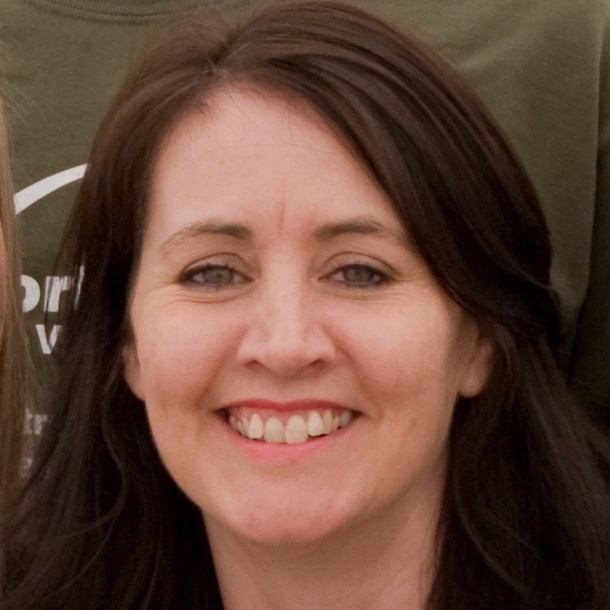

Kay Sambell
As universities increasingly seek to help students develop the knowledge, judgement and capability needed for an uncertain world, important questions are being asked about what assessment products can really tell us about student learning. Drawing on the notion of pentimento – the traces of earlier sketches that remain visible beneath a finished painting – this masterclass explores how purposefully designed formative assessment can make students’ developing disciplinary thinking visible while learning is still underway.
Using a practical Produce-Compare-Review case study as a starting point for practice-based discussion, participants will explore formative assessment design strategies that surface assumptions, interpretations, emerging understandings and troublesome ideas. Together, these create opportunities for learners and teachers to notice, acknowledge and work productively with developing disciplinary thinking as students engage with threshold concepts and navigate the uncertainties of learning.
Biographies
Professor Kay Sambell is a prominent scholar in Assessment for Learning, celebrated for her innovative work on designing assessment in higher education to better promote productive student learning. A UK National Teaching Fellow and President of the AHE Conference Series, she has significantly influenced assessment policy and practice in the UK and beyond through her research, leadership and widely-used pragmatic guidance.
Dr Linda Graham is a practitioner‑researcher in Childhood Studies whose work focuses on inspiring students’ intellectual curiosity and engagement through meaningful, learning‑focused assessment. She has longstanding interests in designing and implementing Assessment for Learning approaches and strengthening student involvement in assessment processes in higher education. Through her teaching, research and wider sector engagement, she contributes to advancing thoughtful, evidence‑informed practice in disciplinary teaching.

