Embracing the paradox of inclusive assessment
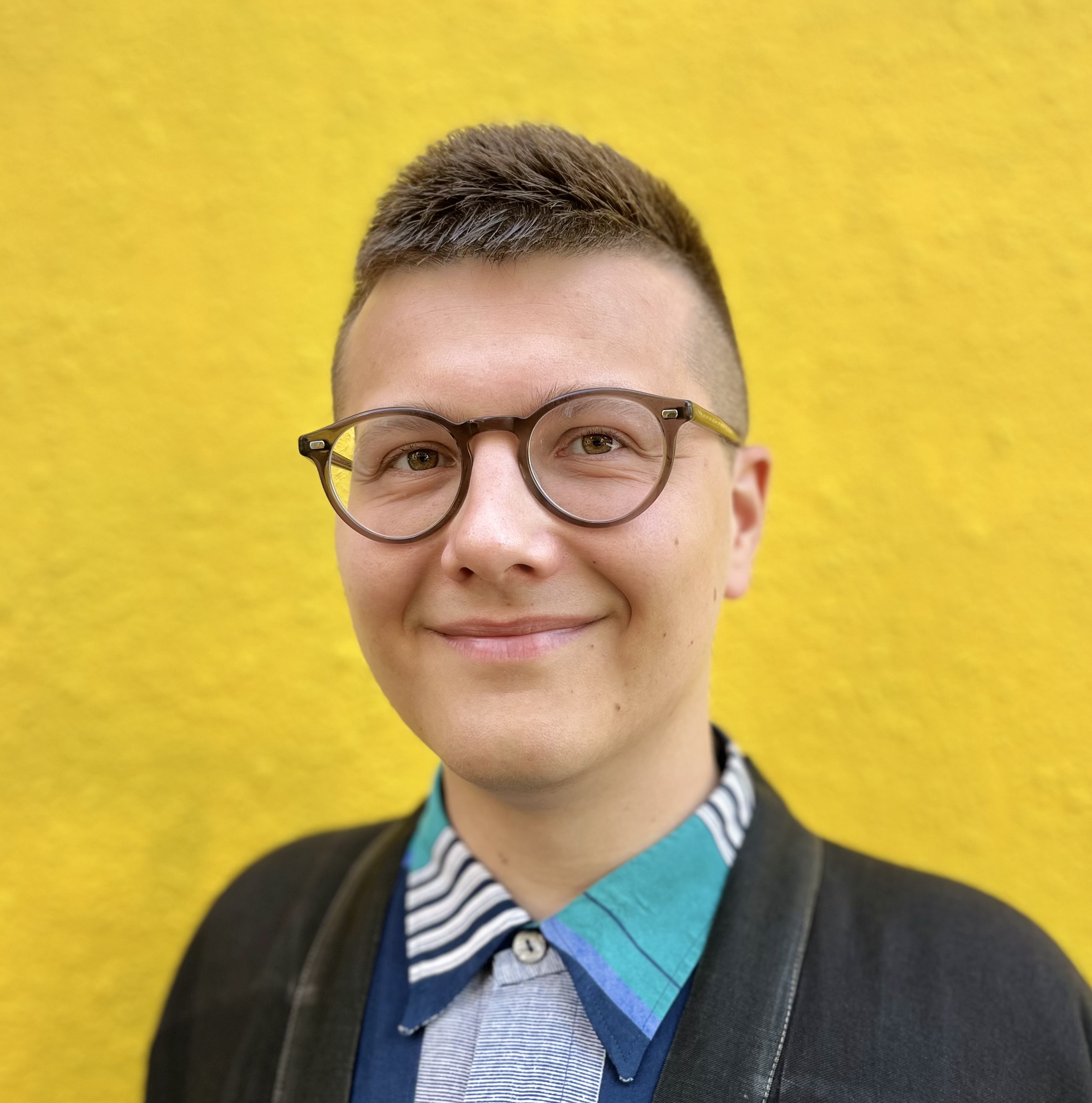
Juuso Henrik Nieminen, Assistant Professor at the University of Hong Kong and a Banting Fellow at Ontario Tech University, Canada.
It is now acknowledged that assessment – once understood solely as an act of objective measurement – is very much a matter of inclusion, equity and social justice. Higher education research pays increasing attention to how assessment must not only be designed for ‘normal’ students but support the learning of the full diversity of students. Yet in practice, diversity remains something to be hidden and mitigated, not celebrated, in assessment. Student diversity is often seen as something ‘to be dealt with’ in assessment. Many students learn to understand themselves as ‘different’ and ‘abnormal’ through assessment which has not been designed with student diversity in mind.
Why is it so tricky to design and implement inclusive assessment? I suggest that the problem lies in the paradoxical nature of ‘inclusive assessment’. Whereas assessment aims to reduce human diversity to pre-set hierarchies and categories, inclusive education seeks to move beyond such sorting systems; whereas assessment relies on uniformity, inclusion builds on diversity; whereas assessment is grounded in individualism, inclusion grows from interdependence. Our current understanding of assessment may simply be incompatible with the ideals of inclusive education.
I therefore pose an uncomfortable question: is the quest for inclusive assessment impossible? Can assessment ever be inclusive for all students? These questions are by no means meant to stir hopelessness. Rather, I find hope in embracing the paradox of inclusive assessment. In doing so, I propose both theoretical and practical advances to inclusive assessment, and provide some future pathways towards more inclusive practice. How could we harness this paradox, and to what end?
Biography
Juuso Henrik Nieminen is an Assistant Professor at the University of Hong Kong and a Banting Fellow at Ontario Tech University, Canada. He is also an Adjunct Professor (Docent) at the University of Eastern Finland and an Honorary Fellow at the Centre for Research in Assessment and Digital Learning (CRADLE), Deakin University, Australia. His research concerns educational assessment from social, cultural and political points of view. He is particularly interested in the student perspective in the matters of assessment. Recently, his research has focused on student identity formation in assessment. He has also studied assessment from the viewpoints of inclusion, equity and diversity.
But above all, Juuso is a teacher. He is originally trained as a mathematics and technology teacher and as a special education teacher. Nowadays, he is an internationally recognised speaker and consultant. Juuso has trained thousands of teachers around the world, and he keeps developing his own inclusive pedagogies every day, little by little.
 ahenetwork.org